If you’ve lived with Type 1 diabetes as long as I have, you might think you’ve tried just about everything. But what happens when a new treatment enters the picture? In this episode, Françoise Le Poulichet shares what it’s been like living with T1D for nearly 40 years and why she recently decided to add something new to the mix: GLP-1 therapy. We’re diving into it all—the good, the surprising, and everything in between.
This year holds two markers I was never supposed to reach: my 50th birthday and my 42nd diaversary.
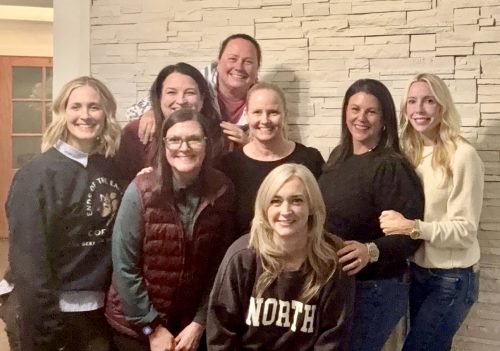
Celebrating “50” with friends from high school cracked open memories I hadn’t touched in decades—the highs, the crashes, the mood swings, navigating cheerleading camp, parties, dating… all of it. And threaded through every single memory was diabetes, even though I never talked about it back then.
I didn’t explain my Type 1 life. Honestly, I didn’t even consciously think about how different my life was. Diabetes was just there—always—quietly demanding everything from me while I worked overtime to appear normal.
It’s hard to believe I haven’t given myself an insulin injection in over a year.
After decades of navigating T1D with multiple daily injections, I took the Podder plunge on February 25th, 2024. Making the decision to start the Omnipod 5 wasn’t easy—there were tons of emotions, a healthy dose of fear, and a big dose of hope. Hope that this device might finally help ease the relentless overnight blood sugar rollercoasters.
I haven’t shared much about this journey—until now. Today, I want to acknowledge and celebrate what a difference this little device has made in my life.
It wasn’t love at first Pod. In fact, I knocked off my very first one within 24 hours. Cue panic.
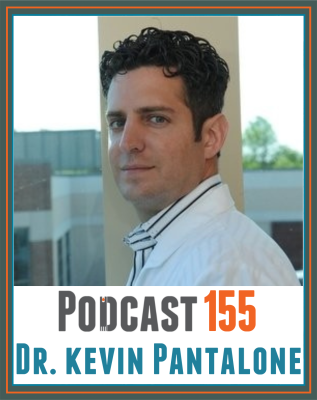
I’m breaking new ground with a special guest: Dr. Kevin Pantalone, an endocrinologist whose insights offer a fresh perspective on patient care.
In a recent poignant reflection, Dr. Pantalone shared the emotional impact of losing one of his patients, a woman living with Type 1 diabetes. His words shed light on a side of healthcare we often overlook—the connection between patients and their providers. In this episode we discuss how to effectively communicate with healthcare providers and how they can better serve the diverse needs of the patient population.
I had every intention of sharing a heartfelt post about celebrating my 40th diaversary back in January, but as life tends to do, diabetes, new podcasts, and adventures took over. Nevertheless, it’s time to catch you up on some exciting developments.
Nearly a decade ago, while at work, I excitedly announced to everyone what special anniversary it was for me. I marched around and celebrated my ‘diaversary’: the yearly anniversary of my T1D’s diagnosis. I was a one woman parade as I showed everyone the blue pin on my chest that read, ‘I love someone with T1D!’ I sang out my excitement on the intercom system and shared the joys of my holiday with the entire building. As I danced down the hallway, my coworker tilted her head, squinted her eyes, and with full befuddlement, asked me: ‘Why…?’ Why in the world would I celebrate a disease?
I’ve recently had the opportunity to connect with three fathers who shared their experiences of raising daughters, aged 11 to 16, living with Type 1 diabetes. In this groundbreaking episode, Dan Kendall, Brooks Ratzlaff, and returning guest Scott Kinsel, provide insights into the unique challenges and joys of being a father to a T1D daughter. This episode delves into poignant topics such as diagnosis stories, navigating puberty, the nuances of dating, and the delicate balance of paternal guidance without exerting excessive control over their daughters’ evolving lives.
FORTY. Forty years ago today, a worried, but determined grandpa took his sick 17-month-old toddler to her pediatrician. My grandpa flatly told the pediatrician that his granddaughter was sick and he knew she had not just diabetes, but Type 1 diabetes. The pediatrician basically laughed and said, “There’s no way this kid has diabetes—she’s too young,” but my grandpa didn’t quit.
I connected with Molly Schreiber after reading a heartfelt LinkedIn post about her family history of Type 1 diabetes and the tragic loss of her father. Molly is a patient living with multiple health conditions and an active patient advocate within those communities. In this episode we discuss growing up with a T1D dad, her personal T1D diagnosis, and how her role as Community Director gives her the privilege to spend time with patients, caregivers and patient advocacy focused organizations.
In honor of Diabetes Awareness Month, I wanted to share some things I’ve learned about diabetes and mental health over the past 23 years of living with the condition and working as a counseling therapist within the community.


 Watch on Youtube